
Spotlight on Mongolia: How a Young Leader is Transforming Everyday Digital Habits

Bulgantamir Nyamdorj is leading a growing LDIW movement in Mongolia
At a time when climate action is often associated with large-scale policies and global agreements, Bulgantamir Nyamdorj is demonstrating that meaningful change can begin with something far more personal, our everyday digital habits.
At just 27 years old, he is leading a growing environmental movement in Mongolia that connects individual behavior with global impact. As the country leader for World Cleanup Day and Digital Cleanup Day, Bulgantamir is helping redefine what environmental responsibility looks like in the digital age.
"My mission is to promote environmental responsibility, encourage people to care for nature, and reduce waste," he says. "In recent years, we have also focused on responsible digital use, encouraging people to reduce digital waste such as unnecessary files, emails, and stored data."
Rethinking Sustainability in a Digital World
With a background in law and a strong commitment to environmental advocacy, Bulgantamir has focused his efforts on raising awareness and encouraging practical action. His work delivers a clear message that sustainability is no longer limited to the physical environment, it also extends to the digital world we engage with every day.
This shift reflects a growing global reality. As digital consumption continues to rise, so does its environmental cost, often invisible yet significant. Data centres and servers require substantial amounts of energy to store and process information, meaning that even small digital actions contribute to carbon emissions.
"Many people are not aware that storing data also has an environmental impact," he shares. "Data centers and servers require large amounts of electricity to store and process information."
Small Actions, Collective Impact
What makes Bulgantamir’s approach effective is its simplicity. Instead of focusing only on large scale solutions, he encourages individuals to take small and manageable steps, starting with their own devices. Across Mongolia, Digital Cleanup Day has evolved into a nationwide initiative involving schools, universities, organisations, and young people.
The movement combines education with action, offering activities such as awareness sessions, workshops, email and cloud cleanup days, and digital decluttering challenges. "These activities encourage people to reflect on their digital habits and take simple actions," Bulgantamir explains.
In one large scale campaign, participants collectively deleted thousands of unnecessary files and emails in a single day. "This showed how small individual actions can add up to a significant collective impact," he says.
This same spirit of collaboration is reflected in World Cleanup Day activities, where more than 10,000 participants came together to clean public spaces, highlighting the power of community engagement.
Mobilising a New Generation
A defining strength of the movement is its focus on youth. "Young people are among the most active participants in our movement," Bulgantamir explains. "We aim not only to involve them but also to empower them as leaders of change."
Through ambassador programs, educational workshops, and social media campaigns, young volunteers become advocates for both environmental and digital responsibility, creating a growing network of engaged individuals committed to long term impact.
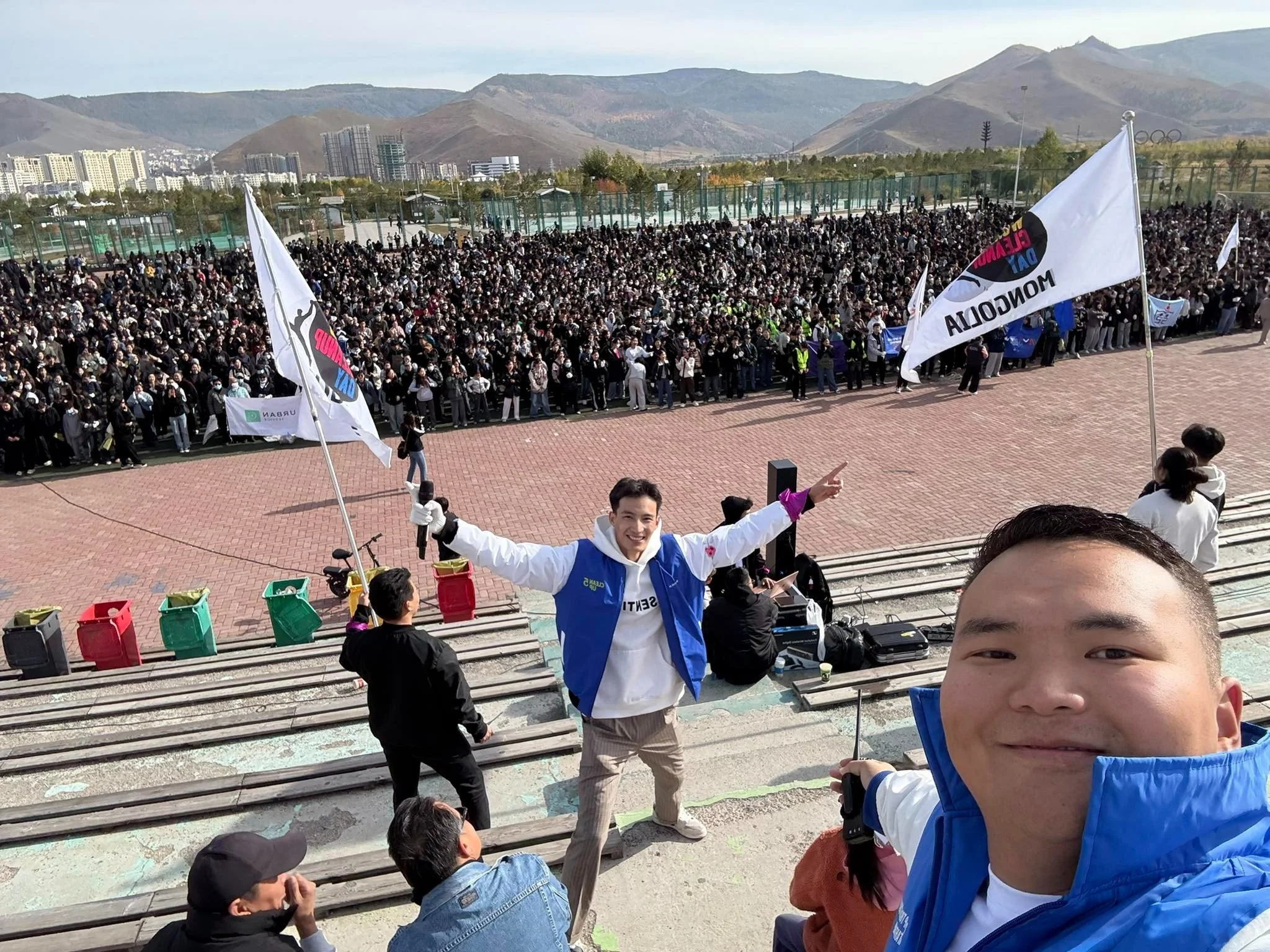
Young people came out in thousands for World Cleanup Day, Mongolia
Overcoming Barriers to Digital Awareness
Despite its success, the movement has faced challenges. One of the main obstacles has been the lack of awareness around the concept of digital waste and its environmental impact. Many people do not immediately recognise that storing data consumes energy and contributes to emissions. However, as Bulgantamir states, "By deleting unnecessary data, people can help reduce server load and contribute to lowering CO2 emissions."
To address this, Bulgantamir and his team have focused on making the impact more visible and understandable. One of their key tools is a digital calculator that allows participants to measure the amount of data they delete.
"Participants can record the amount of data they delete, and the system estimates the CO2 emissions reduced," he says. "They also receive certificates recognising their contribution."
While challenges remain, including the need for broader public awareness, consistent participation from organisations, and continued growth of volunteer networks, progress is clearly visible. Interest and involvement have been steadily increasing each year.
Shaping the Future of Digital Responsibility
Looking ahead, Bulgantamir and his team have a clear vision to expand Digital Cleanup Day into a widely recognised national movement and to embed sustainable digital habits into everyday life.
By transforming awareness into action, Bulgantamir is not only shaping a national movement in Mongolia but also contributing to a global shift in how sustainability is understood in the digital age.
Bulgantamir’s message is simple, but powerful: "Digital technology has become an essential part of our daily lives, but it is equally important to use it responsibly."