
Embracing simplicity: the indubitable benefits of reducing digital clutter
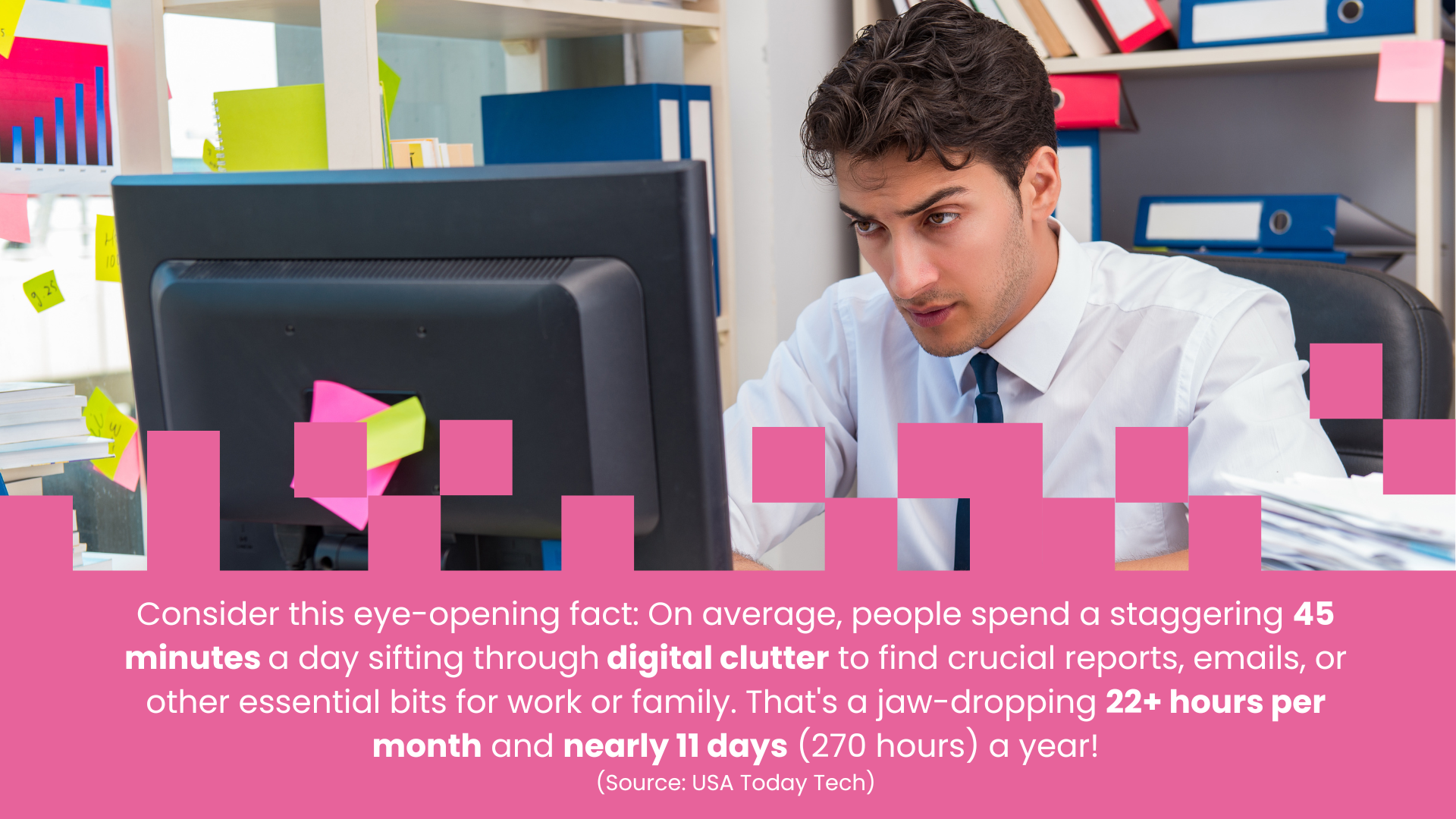
In this fast-paced, digital era, where an avalanche of information overwhelms us daily, it is proving increasingly challenging for many of us to keep our productivity level and not be constantly distracted.
While some turn to new apps and tools for time tracking, productivity, and task management when trying to organize this chaos, an often-overlooked solution lies in the simplicity of decluttering your digital space in the first place.
Let’s find out what benefits organizing your digital life can offer, and how we can keep it neat and tidy.
Enhanced productivity
Digital clutter can be a significant hindrance to productivity. A cluttered desktop, overflowing inbox, and numerous open tabs can overwhelm your mind and make it challenging to focus on important tasks.
By decluttering your digital workspace, you create a more streamlined environment that fosters concentration and enhances your ability to complete duties efficiently.
Reducing digital clutter is synonymous with prioritizing what truly matters.
When unnecessary files, icons, and distractions are removed, your attention is directed toward the essentials – and it becomes much easier to identify and focus on those ever-demanding tasks in the high-priority category.
Elevating happiness and well-being
A cluttered digital space, as well as a messy house, can contribute to feelings of overwhelm and stress.
Constant notifications, a disorganized email inbox, and a cluttered desktop can create a sense of chaos that negatively impacts your mental well-being.
If your device or a cloud storage is messy, it becomes challenging to find a necessary file.
In addition, a phone or a laptop loaded with files to the brim works significantly more slowly.
As a result, our anxiety level increases exponentially when we need to find something really quickly.
Decluttering provides a remedy by offering a clean and serene digital landscape.
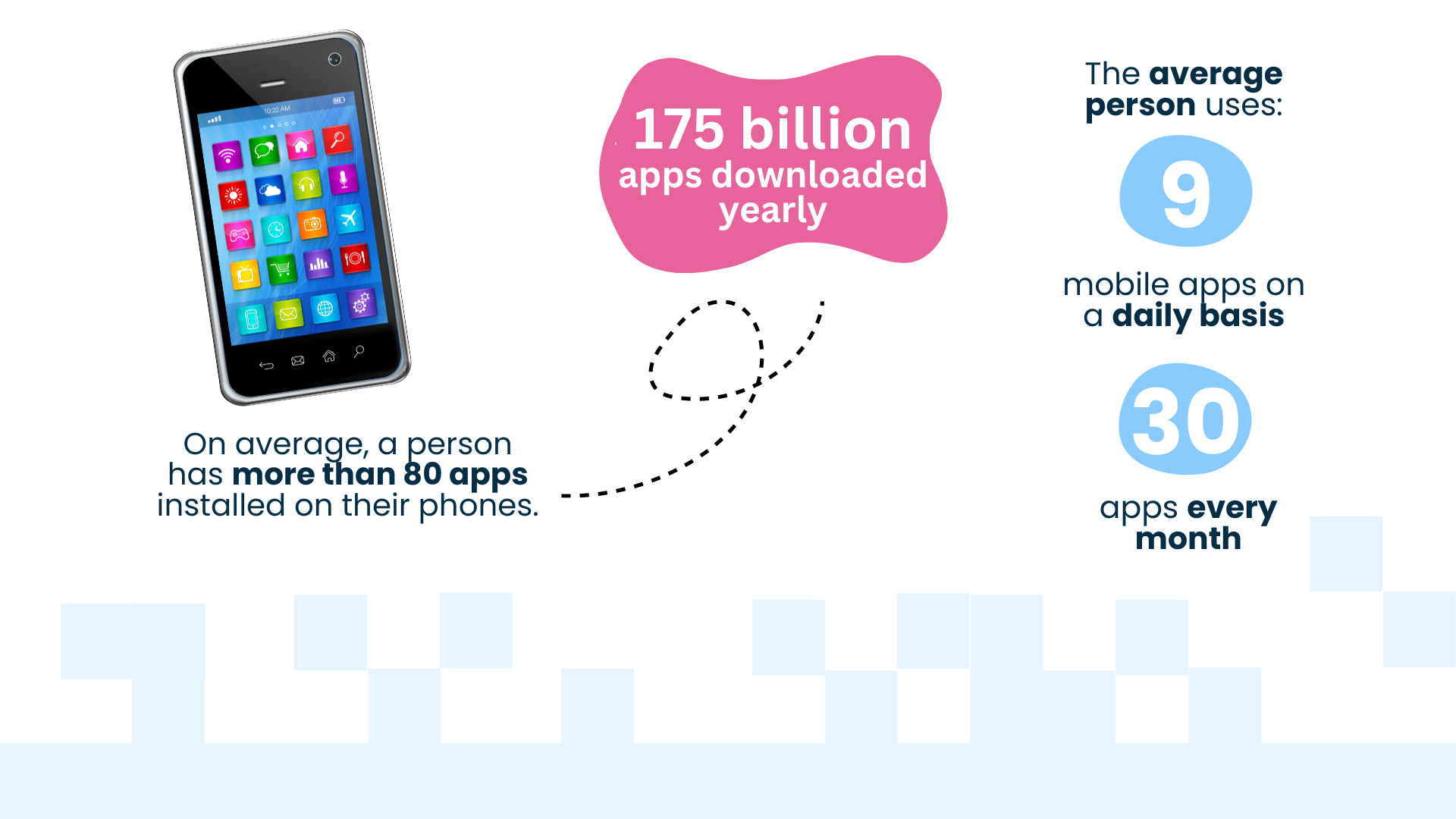
Having quick access to important files gives us a sense of control that reduces the stress level.
Saving money
It should not come as a shock when we hear that you can quickly run out of your free storage space because of digital hoarding!
Consequently, your monthly expenses can increase because you will be forced to order additional storage.
Regular digital decluttering saves you from unnecessary spending in addition to all the above-mentioned benefits.
Easy steps to decluttering your digital space
Organizing your digital workspace is a habit accessible to everyone with a device, a habit that costs no money but has impactful benefits.
If you do not know how to start forming this habit, here are some ideas to help:
Delete all the files that you no longer need,
Clear old text messages, irrelevant messenger chats, old emails,
Create folders and rename important files so they are easy to find,
Clear up the desktop,
Delete irrelevant reminders from your calendar,
Uninstall apps that you have not used for a while,
Revise browser extensions,
Empty all trash folders,
Dedicate time to decluttering regularly to turn it into a habit.
***
In conclusion, the benefits of reducing digital clutter extend far beyond a visually clean desktop.
Decluttering positively influences productivity, facilitates prioritization, and contributes to overall happiness and well-being.
If you are waiting for a sign to start decluttering your phone, laptop, and cloud storage, then Digital Cleanup Day is it – and it takes place tomorrow 16 March 👏
The hidden costs of emails: time, profit, and the environment!
Time to rethink the impact of your email activity!
[Photo: stock image]
What harm can an email cause? It’s just a few words, really-really important words (as every sender thinks about their email) that need only a couple of minutes of a receiver’s attention. Surely this doesn’t influence the company’s profit! Neither does it influence the environment, since it’s just electronic!
However, everything is not so simple. Let’s look closely at each statement and find out how we can make our work communication more efficient and sustainable.
The endless flow of emails
The average employee of a middle-sized company receives 304 business emails weekly. This constant barrage of electronic communication, including spam and unnecessary, poorly written emails, can lead to frequent interruptions, breaking workflow and decreasing overall productivity.
Studies suggest that people usually check their email 36 times in an hour, which equates to spending about 28% of the workweek dealing with emails. In general, 16 minutes are required to refocus after handling an incoming email. Consequently, the constant need for attention to electronic communication can result in a loss of focus on critical tasks.
An email costs a penny
The financial side of email-related productivity loss is staggeringly high. According to research, the cost of such distractions can amount to thousands of dollars per employee each year. This includes both the direct time spent on emails and the subsequent time needed to refocus on primary tasks. Multiply this by the number of employees in a company, and the cumulative losses become a significant drain on business profit.
The environmental impact of electronic communication
We simply must address the environmental cost of emails in this article. On average, the carbon footprint of an email is equivalent to 0.3 g of CO2 emissions. The longer and ‘heavier’ the email is (i.e. it’s a longread, or has pictures and/or attachments), the more carbon emissions it is accountable for. The number can go up to 50 g of CO2 emissions per email.
A typical business user creates 135 kg (298 lbs) CO2e from sending emails every year, which is the equivalent of driving 322 kms (200 miles) in a family car.
If every adult in the UK sent one less “thank you” email, it could save 16,433 tons of carbon a year – equivalent to taking 3,334 diesel cars off the road entirely.
It is estimated that emails sent globally can contribute to 150 m tons of CO2 emissions (2019 data), or about 0.3% of the world’s carbon footprint. Using this calculator, you can estimate how much CO2 emissions you will generate this year just by processing emails.
Making emails less 'evil'
To reduce the impact of these issues, companies are exploring various strategies to streamline email communication. Email management policies can include the following:
Sending only the most necessary information, skipping “thank you” and fewer irrelevant emails,
Avoiding sending large attachments and using links to a cloud instead,
Setting specific time slots for email responses,
Encouraging the use of collaborative platforms,
Promoting face-to-face communication for urgent matters,
Adopting artificial intelligence (AI) tools for email filtering and categorization,
Educating employees on efficient email usage and time management techniques.
***
While emails are still an irreplaceable tool in workplace communication, their overdependence on their use substantially affects both productivity and company finances.
By addressing the issue head-on and implementing efficient email management practices, companies can significantly reduce costs while simultaneously contributing to a more sustainable and nature-friendly work environment.
Embracing Digital Minimalism: A Path to a Clear Mind and Clean World
Many of our readers know the principles of minimalism concerning physical space. But we can apply the same standards to our digital lives to achieve the same goal. Inspired by Cal Newport's book, ‘Digital Minimalism: Choosing a Focused Life in a Noisy World’, we explore three key principles that benefit our mental well-being and contribute to a more sustainable world.
Principle of Value: Choosing Quality over Quantity
Cal Newport emphasizes the importance of evaluating the benefits of digital tools in our lives. This encourages us to be intentional about the technologies we allow into our daily routines. We can reduce our digital footprint by focusing on quality rather than quantity.
In his book, Newport argues that the apps and platforms we use should serve a clear purpose and add substantial value to our lives. Apps that merely contribute to noise should be removed from our phones, laptops, and computers. By leaving only essential platforms, we simplify our digital lives and reduce the environmental impact associated with unnecessary data storage and processing.
Principle of Intentionality: Being Mindful of Digital Use
Newport advocates for a deliberate and intentional approach to technology use; do you really need to use your phone now, or do you use it to kill time and get a quick dopamine boost? Instead of mindlessly scrolling through social media, or succumbing to constant notifications, we should approach digital tools with purpose.
This intentionality helps us better concentrate our attention and focus on essential things, lowers our stress level, and reduces the energy consumption associated with our devices.
Principle of Solitude: Embracing Time Away from Screens
In a world that constantly demands our attention, Newport highlights the importance of spending time with ourselves away from screens.
Digital minimalism encourages us to carve out moments for reflection, self-discovery and offline activities, promoting a healthier relationship with technology.
***
If you have already incorporated a maximum of environmentally friendly habits into your physical space, why not try extending them beyond that and embrace digital minimalism?
By grasping these and other principles from ‘Digital Minimalism: Choosing a Focused Life in a Noisy World’, we create a more focused and meaningful existence and contribute to a cleaner and greener world – something we sorely need right now!
Digital Decluttering: A Sustainable Approach to Social Media Use
In our fast-paced digital age, where information is at our fingertips, it's easy to get trapped by social media. While these platforms connect us globally, their environmental impact often goes unnoticed. Taking a closer look at your digital habits is a potential win-win for you and nature.
Feed-scrolling isn't as innocent as it seems
While a lot has been said about heat emissions, carbon footprints, and environmental pollution from smartphone production itself, the daily usage of smartphones also plays a key role in climate change.
172 g of CO2 emissions are produced from only one hour of smartphone usage per day. In a year, it exceeds the emissions of a flight from London to Paris. However, according to recent research, people use their smartphones (particularly for social media) twice as much: 2 hours and 24 minutes.
Cumulative impact
It is also worth taking some time to think about the scale of social media use globally. According to analysis by Greenspector, there were 4.33 billion social media users globally in May 2021. Across the 10 social media platforms studied, their combined use adds up to 262m tonnes CO2e. That’s 0.61% of global emissions, or almost the same as the carbon footprint of Malaysia.
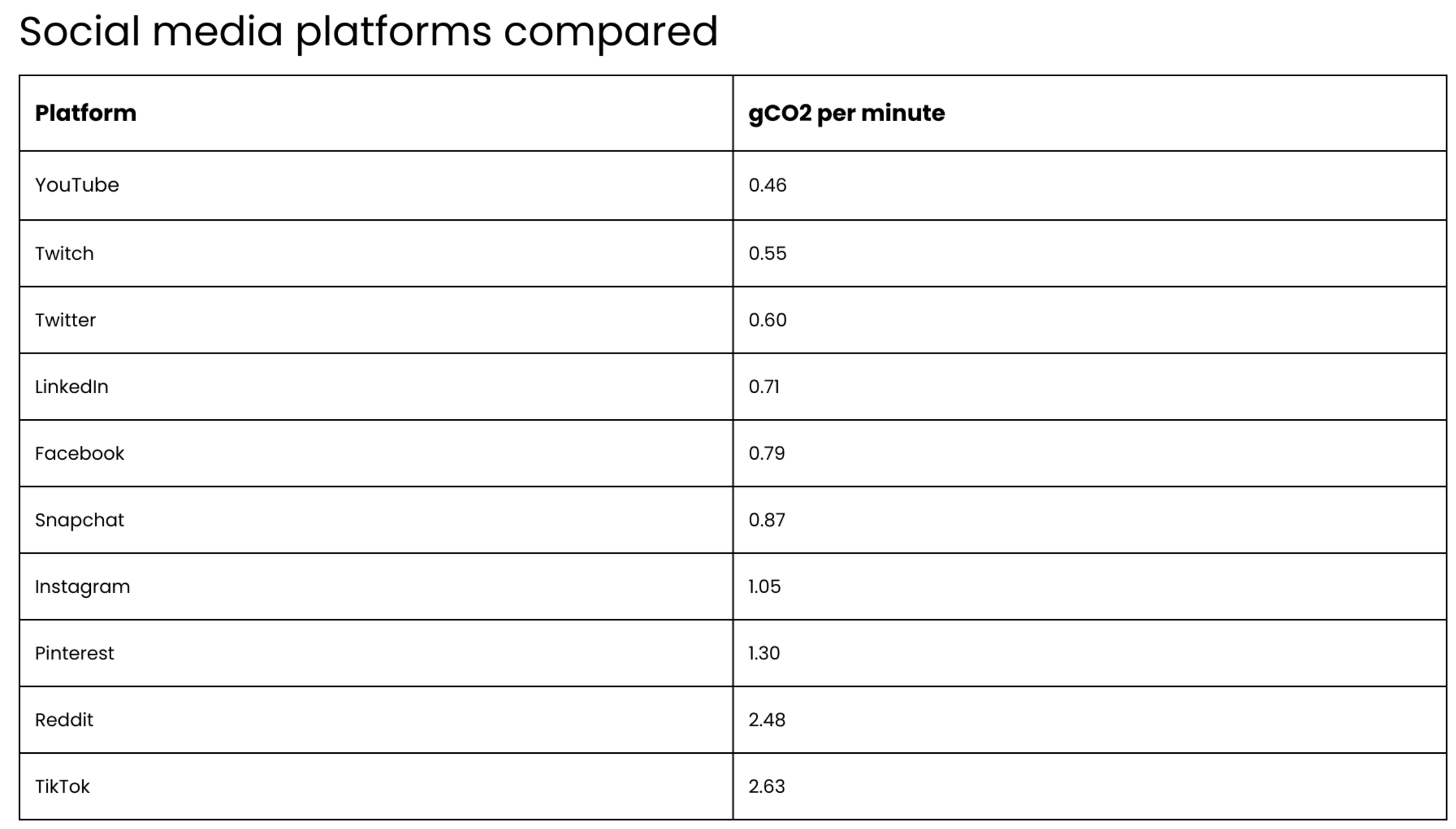
Source: Greenspector
In addition to the environmental impact, social media can make us feel miserable and worthless when compared to successful stories we see online, as well as diminish our attention span, and compromise our privacy.
Limiting Distractions for a Greener Tomorrow
By practicing mindful consumption of digital content, we can reduce the demand for constant updates and lighten the dependence on energy resources. These simple measures will lead you to a more eco-friendly digital footprint and boost your productivity:
Unsubscribe from pages that don't make you happy but lower your self-confidence and drain your life energy
Turn off push notifications
Put group chats on silent mode
Check which apps take most of your screen time and limit their usage with dedicated apps or build-in timers
Consider putting a time limit on the app. This feature is built into most smartphones and provides a pop-up notification when your daily limit has been reached. It's very useful for habit building (or, more likely, breaking).
Social Media for Good
While the negative aspects of social media are evident, these platforms also have the potential for positive change. Activism, awareness campaigns, and eco-friendly community-building thrive on social media. Make these platforms serve a good cause by harnessing their power:
Train your social media algorithms to show you more of the content that you want engage with
Subscribe to initiatives that make a difference in environmental protection (to our Instagram, for example 😉)
Share materials that can encourage your friends to live more sustainably
Our responsibility to care for the environment extends beyond physical spaces – decluttering our social media is a step we cannot simply avoid if we are to move toward a more sustainable future.
By figuring out the environmental impact of our digital habits, and then adopting greener practices, we can contribute to creating a cleaner world for generations to come.